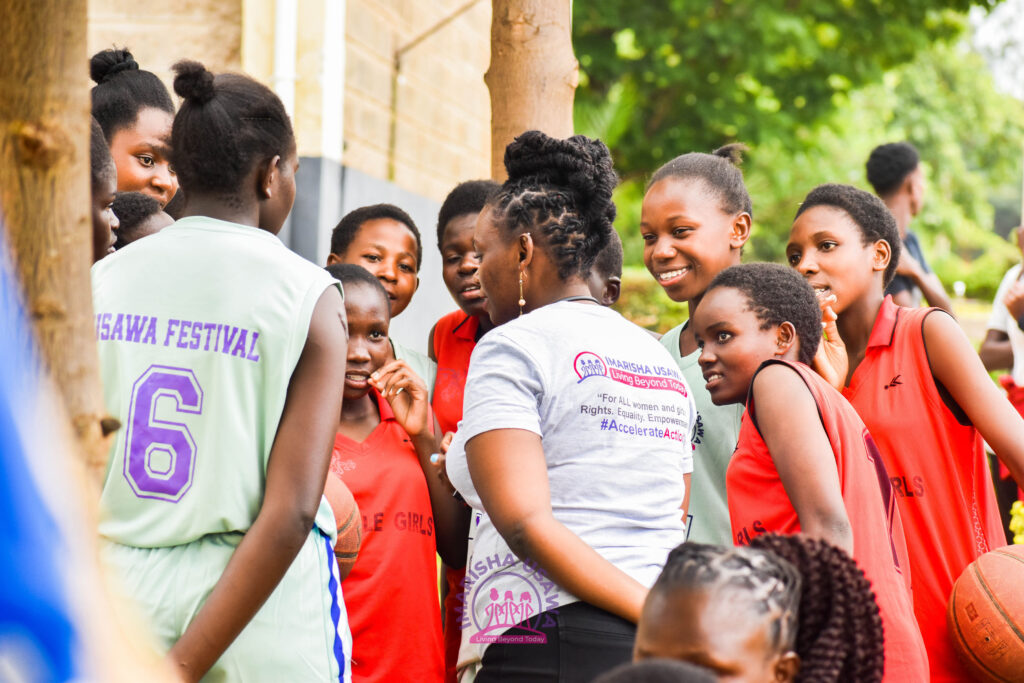
In a world where inequalities continue to shape access to opportunities, leadership, healthcare, education, economic participation, and safe community spaces, grassroots and community driven initiatives remain essential to building a more inclusive, just, and equitable future. Across many communities, young people, especially girls and young women, continue to face systemic barriers that limit their ability to fully participate, lead, and thrive. At the same time, communities are increasingly recognizing the need for locally led solutions that prioritize participation, dignity, collaboration, and shared responsibility.
It is from this understanding that the USAWA Festival was born, a vision grounded in the belief that sports, dialogue, mentorship, storytelling, advocacy, and collective action can serve as powerful tools for social transformation, healing, leadership development, and community empowerment.
Organized by Imarisha Usawa, the USAWA Festival serves as a dynamic platform that brings together young people, community leaders, policymakers, grassroots organizations, educators, athletes, artists, development partners, mentors, and institutions to collectively advance dialogue and action on gender equality, youth leadership, inclusion, mental wellness, and sustainable development.
More than just an event, the festival is a growing movement committed to strengthening community ownership, amplifying youth voices, and creating spaces where lived experiences, innovation, and intergenerational collaboration can inspire meaningful change. Through sports and community engagement, the festival seeks to bridge the gap between policy and grassroots realities while fostering partnerships that respond to the actual needs and aspirations of communities.
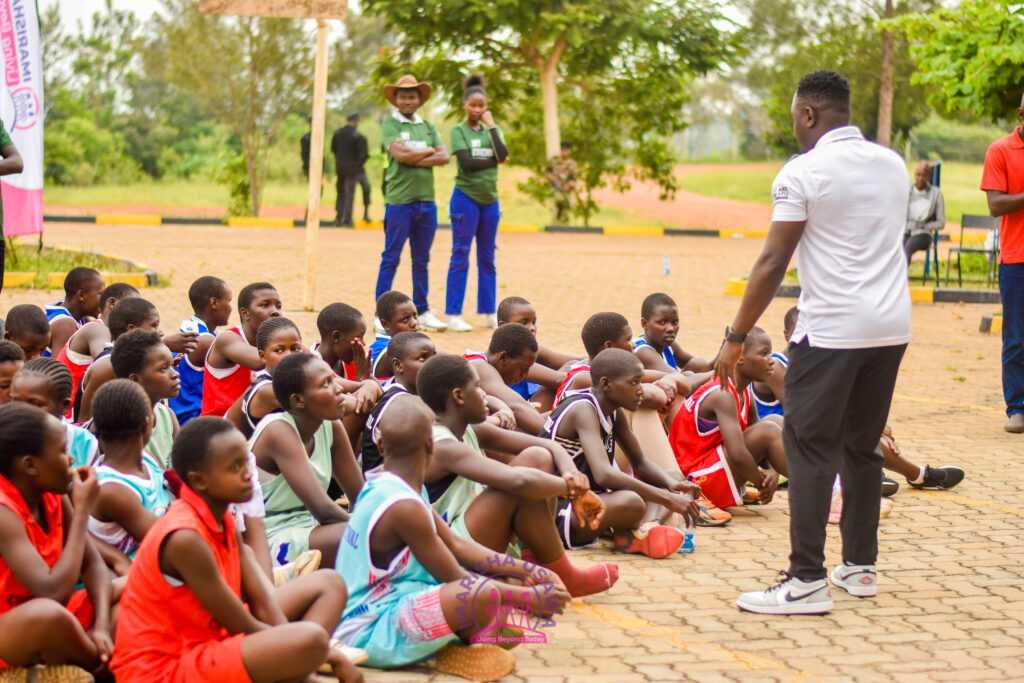
The USAWA Festival is deeply rooted in the understanding that sustainable development cannot be achieved without intentionally involving communities in shaping the solutions that affect them. It recognizes the importance of creating safe and inclusive environments where young people can learn, connect, lead, and contribute to building stronger and more resilient societies.
As preparations begin for the second edition of the festival, we do so with renewed energy, stronger partnerships, valuable lessons from the inaugural edition, and a deeper commitment to advancing equity, inclusion, and community transformation.
Building on the momentum generated during the first edition, and guided by the Building Communities in Action framework under the TogetherforSDGs global intergenerational Impact hub, this year’s festival seeks to deepen collaboration, strengthen grassroots leadership, and create sustainable spaces for continued dialogue and action through initiatives such as the Sauti za Usawa Intergenerational Hubs.
The second edition therefore represents not only the continuation of a successful initiative but also the growth of a collective movement committed to ensuring that no voice is left behind in the pursuit of equality, dignity, and sustainable development.
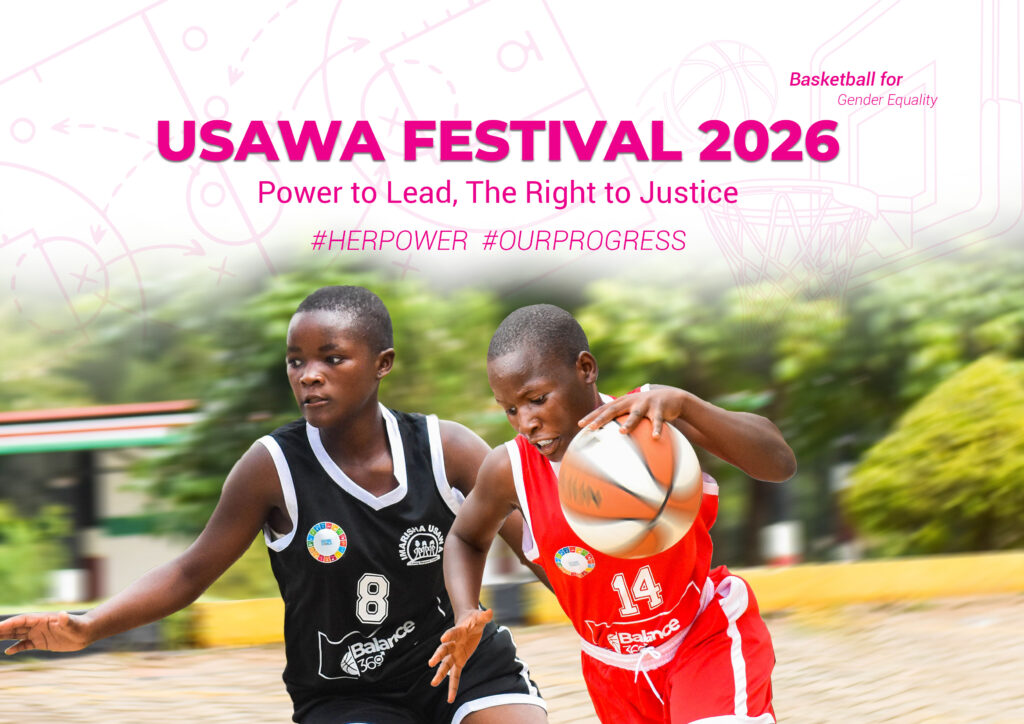
Reflecting on the First Edition
The inaugural USAWA Festival marked a significant milestone in demonstrating the transformative power of community centered engagement, youth leadership, and sports as catalysts for social change. What began as a bold vision to use sports as a platform for advocacy, inclusion, and dialogue evolved into a vibrant and impactful gathering that brought together youth leaders, athletes, grassroots organizations, policymakers, mentors, and community stakeholders united by the shared values of equity, dignity, and empowerment.
The first edition became more than just a festival; it evolved into a space for connection, learning, healing, and collective reflection. It created opportunities for communities to openly engage in conversations on pressing social issues while amplifying the role of young people as drivers of positive change within their communities.
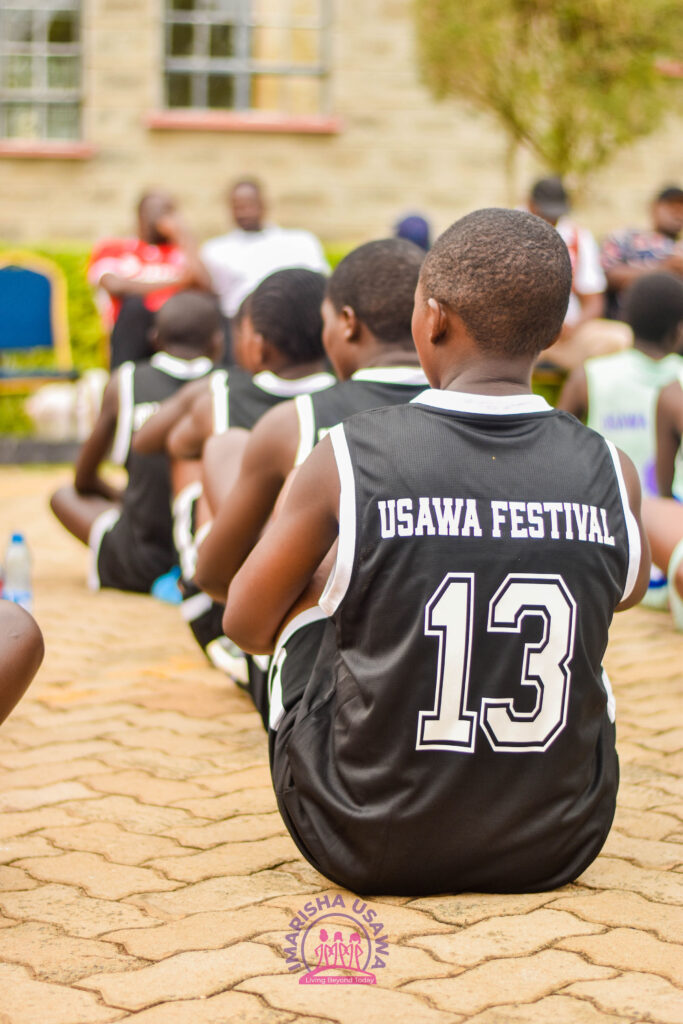
Through intentional programming and active grassroots participation, the festival successfully:
- Created dialogue spaces that fostered meaningful conversations on gender equality, youth leadership, and social inclusion.
- Utilized sports as a unifying and accessible tool to engage communities, break down barriers, and promote peaceful coexistence.
- Advanced discussions on sexual and reproductive health, mental wellness, gender based violence prevention, and safeguarding.
- Connected young people with mentors, institutions, organizations, and networks that continue to support their personal growth and leadership journeys.
- Strengthened grassroots partnerships and reinforced the importance of community ownership in driving sustainable development efforts.
- Amplified youth voices and localized conversations around the Sustainable Development Goals (SDGs), making global priorities more relatable, relevant, and actionable at the community level.
- Encouraged creativity, storytelling, and advocacy as powerful tools for challenging stereotypes, promoting inclusion, and inspiring collective responsibility.
Most importantly, the first edition revealed the urgent need for sustained community spaces where young people and communities can continue engaging beyond a single event. It underscored the value of listening to lived experiences, building trust across generations, and creating platforms where communities are recognized not merely as beneficiaries, but as active co creators of solutions.
The lessons learned, stories shared, partnerships formed, and momentum generated during the inaugural edition laid the foundation for a stronger and more intentional second edition. They reaffirmed the belief that lasting change is achieved through collaboration, inclusion, and continuous community engagement.
The Second Edition: Expanding the Vision #USAWAFest2026
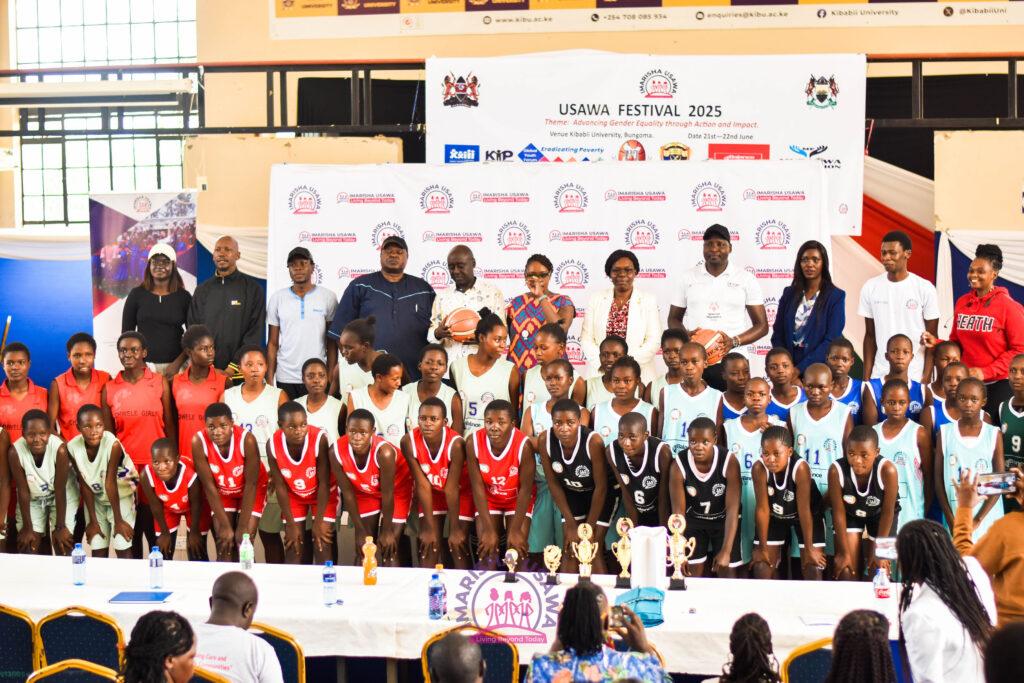
The second edition of the USAWA Festival seeks to move beyond awareness and toward sustained action, capacity building, and long term community engagement.
Taking place at Kibabii University from 26th to 28th June 2026, this year’s festival has been significantly shaped by the experiences and lessons fostered through the TogetherforSDGs Intergenerational ImPACT Hub TogetherForSDGs Final Report. These engagements have strengthened community centered approaches to sustainable development, grassroots leadership, and inclusive participation. Through this journey, the festival continues to embrace the belief that meaningful change is achieved not merely for communities, but with communities.
Guided by the Building Communities in Action framework, the second edition re imagines how communities engage with development conversations by shifting from top down approaches to participatory and locally led solutions. The framework has helped reshape critical conversations around inclusion, leadership, ownership, sustainability, and collective responsibility.
A key outcome emerging from this vision is the establishment of the Sauti za Usawa Intergenerational Hubs, community driven spaces designed to foster continuous engagement, mentorship, dialogue, and collective action across generations. The hubs are envisioned as safe and inclusive platforms where young people, community leaders, women, mentors, and changemakers can connect, exchange ideas, nurture leadership, and collaboratively respond to local challenges.
These reflections have informed the design of this year’s festival, which will bring together participants from diverse communities and sectors for three days of learning, sports, dialogue, mentorship, networking, and advocacy.
Through an Intergenerational Summit, the festival seeks to deepen conversations on inclusion while strengthening the role of youth and grassroots actors in advancing sustainable development, particularly Sustainable Development Goal 5 Gender Equality, and in building resilient communities.
Key Highlights of the 2026 Edition
The 2026 edition will focus on the following thematic areas:
- Gender equality and inclusion through sports.
- Youth leadership and civic participation.
- Community mentorship and capacity building.
- Sexual and reproductive health awareness and services.
- Mental health awareness and psychosocial support.
- Gender based violence prevention and the promotion of safe community spaces.
- Education, economic empowerment, and digital opportunities for young people.
- SDG localization and grassroots advocacy.
- Intergenerational exchange and community solidarity.
- Development of county gender priorities and recommendations
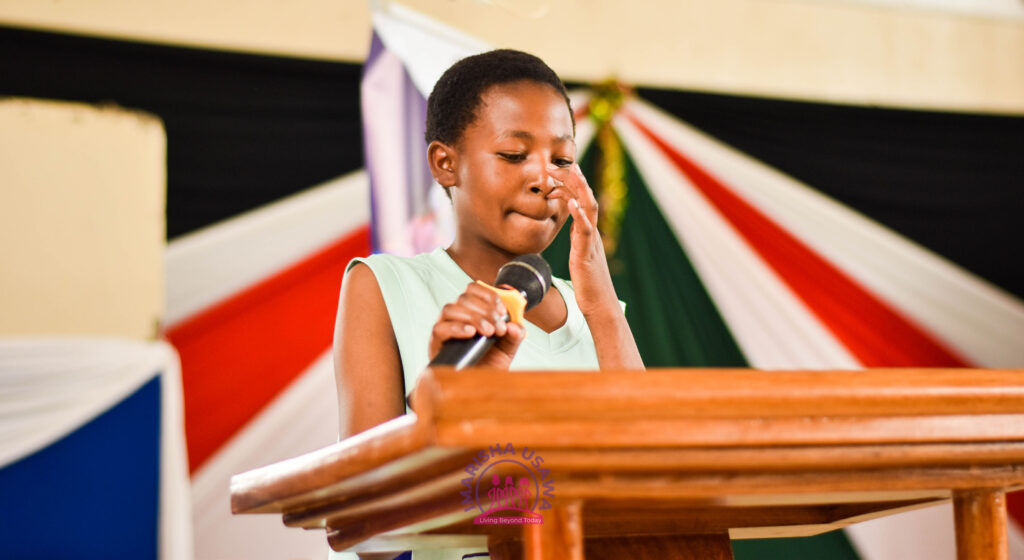
The festival will also introduce more structured mentorship and capacity building opportunities that extend beyond the event itself, ensuring that participants continue to receive support, guidance, exposure, and opportunities for growth throughout the year.
By strengthening connections between communities, institutions, and changemakers, the second edition of the USAWA Festival seeks not only to inspire dialogue but also to catalyze collective action that contributes to a more inclusive, equitable, and sustainable future.
Gender Priorities, Strategic Partnerships, and Expected
Outcomes
At the heart of the USAWA Festival is a strong commitment to advancing gender equality and creating inclusive environments where women, girls, and vulnerable groups can thrive safely, confidently, and meaningfully participate in community development processes.
The festival recognizes that gender equality cannot be achieved through isolated interventions alone, but through collective action, strategic partnerships, supportive policies, and sustained community engagement. It therefore seeks to strengthen collaboration among grassroots actors, institutions, development partners, civil society organizations, and government agencies in building safer, more equitable, and inclusive communities.
A key pillar of this year’s edition is the collaboration and engagement with the County Government of Bungoma through various county departments and stakeholders working across gender, sports, youth affairs, health, education, culture, and social services.
The involvement of county leadership reflects a growing recognition of sports, mentorship, and intergenerational engagement as effective tools for advancing inclusion, empowerment, and community well being.
The USAWA Festival prioritizes:
- Increasing the participation, visibility, and leadership of girls and young women in sports, advocacy spaces, and community decision making processes.
- Strengthening safe and inclusive spaces for dialogue on Sexual and Reproductive Health and Rights (SRHR), gender based violence prevention, safeguarding, and mental health awareness.
- Challenging harmful gender norms, stereotypes, and discriminatory practices through community centered conversations and youth led advocacy.
- Promoting equal access to mentorship, leadership opportunities, digital skills development, economic empowerment, and civic engagement platforms.
- Encouraging male allyship and shared community responsibility in advancing gender equality and social justice.
- Strengthening referral pathways and support systems for vulnerable groups through partnerships with health institutions, community organizations, and county departments.
- Enhancing intergenerational learning and collaboration as a means of preserving positive community values while embracing progressive and inclusive development approaches.
- Localizing action for the Sustainable Development Goals (SDGs) through grassroots participation and community driven action.
Through the support and participation of stakeholders—including the County Government of Bungoma, civil society organizations, youth networks, schools, mentors, health practitioners, development partners, and community leaders—the festival aims to build stronger systems of collaboration that extend well beyond the event itself.
Expected Outcomes
The second edition of the USAWA Festival seeks to generate both immediate impact and long term community transformation. The anticipated outcomes include:
- Increased awareness and sustained community dialogue on gender equality, inclusion, safeguarding, and youth empowerment.
- Improved youth participation in advocacy, leadership, civic engagement, and community driven initiatives.
- Stronger partnerships and coordination among grassroots organizations, county government institutions, development partners, and community stakeholders.
- Enhanced mentorship networks and support systems for young people, particularly girls and young women.
- Increased visibility and recognition of locally led initiatives addressing social and developmental challenges within communities.
- Strengthened community ownership and participation in advancing the Sustainable Development Goals at the grassroots level.
- Establishment and growth of the Sauti za Usawa Intergenerational Hubs as sustainable platforms for dialogue, mentorship, innovation, and collective action.
- Greater integration of sports, arts, storytelling, and culture as tools for advocacy, healing, inclusion, and social transformation.
Ultimately, the festival seeks to contribute to the development of communities where equality, dignity, participation, and opportunity are not privileges enjoyed by a few, but realities accessible to all.
Advancing National and Global Commitments
While deeply rooted in community realities, the USAWA Festival contributes to broader efforts to advance gender equality, youth empowerment, and sustainable development. Through sports, dialogue, mentorship, and community action, the festival localizes the Sustainable Development Goals (SDGs), particularly SDG 3 (Good Health and Well Being), SDG 4 (Quality Education), SDG 5 (Gender Equality), SDG 10 (Reduced Inequalities), SDG 16 (Peace, Justice and Strong Institutions), and SDG 17 (Partnerships for the Goals).
The festival also reflects the aspirations of the Commission on the Status of Women (CSW) by promoting women’s leadership, empowering girls and young women, strengthening community responses to gender based violence, and expanding opportunities for meaningful participation in decision making processes.
By bridging global commitments with grassroots action, the USAWA Festival demonstrates that sustainable development is most impactful when communities are not merely beneficiaries of change, but active architects of it.
Strategic Partnerships and Stakeholder Engagement
The success of the USAWA Festival depends on collaborative action and multi sectoral engagement. This year’s edition will bring together a diverse range of stakeholders, including:
- Youth led organizations and grassroots movements.
- Community leaders, mentors, and changemakers.
- Schools, sports teams, and young athletes.
- Government ministries and county departments.
- Gender and youth focused organizations.
- Development partners and sponsors.
- Civil society organizations.
- Media practitioners and digital storytellers.
- Volunteers and community champions.
By bringing together these diverse actors, the festival seeks to strengthen collaboration, shared responsibility, and collective accountability in advancing inclusive and sustainable development.
Join the Movement
The USAWA Festival is more than an event, it is a movement for equity, inclusion, leadership, and community transformation.
As we prepare for the second edition, we invite partners, institutions, community leaders, development organizations, educators, young people, and individuals from all walks of life to join us in advancing a future where every young person has access to opportunities, support, and safe spaces to thrive.
We welcome stakeholders to support this initiative through partnerships, sponsorships, participation, mentorship, advocacy, volunteering, and collaboration. Together, we can build communities where equality is not only discussed but actively practiced and experienced every day.
Creating a more inclusive and equitable society requires collective action. The journey toward lasting change belongs to all of us, and the time to act is now.
Stay Connected
Follow our journey as we share festival updates, impact stories, partnership opportunities, and community initiatives leading up to and beyond the USAWA Festival 2026.
For inquiries, partnership opportunities, sponsorship discussions, or collaboration proposals, contact:
Email: info@imarishausawa.org.